
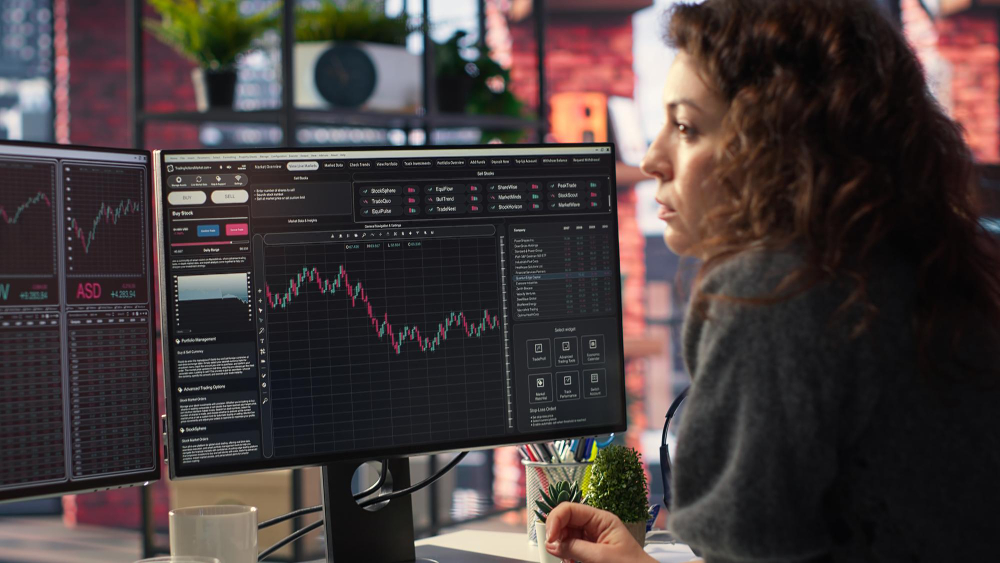
When we think about the stock market, we usually imagine a world of cold, hard math. We picture experts staring at complicated spreadsheets, analyzing profit margins, and making logical predictions based on economic data. However, if you talk to any seasoned professional, they will tell you a different story. The stock market is not just a collection of numbers; it is a massive reflection of human psychology. Most people do not lose money because they lack intelligence or information; they lose money because they struggle to control their own emotions. In the world of investing, your biggest enemy is rarely the market itself—it is usually the person looking back at you in the mirror.
Why Smart People Make Dumb Money Moves
A gap exists between knowing we should “buy low and sell high” and actually doing it when money is at risk. While logic dictates our strategy, market crashes trigger a biological urge to flee that is nearly impossible to ignore. This stems from ancient survival instincts; thousands of years ago, following a panicked crowd helped our ancestors escape predators.
In modern investing, however, this “herd mentality” causes people to buy at price peaks and sell at rock bottom. Success requires overriding these deep-seated gut feelings. To protect your wealth, you must evolve into a “boring” investor—one who relies on a disciplined, long-term plan rather than reacting to scary headlines or the impulsive survival instincts of the lizard brain.
The Two Biggest Drivers: Fear and Greed
Market movements are primarily driven by fear and greed. During bull markets, greed triggers FOMO, tempting you to buy expensive stocks just because others are profiting. Conversely, when prices drop, fear activates the “lizard brain,” treating financial loss as a physical threat and sparking a desperate urge to sell.
This emotional roller coaster is a natural chemical response, but it can devastate your bank account if left unchecked. To stay grounded during financial volatility, you can find excellent guides and reflection exercises on this resource designed to help manage these intense spikes. By recognizing the cycle of euphoria and panic, you can stop being a victim of your impulses and start treating your emotions as indicators of when the market has become irrational.
What Stress Does to Your Decisions
When you see your portfolio value drop significantly, your body goes into a “fight-or-flight” state. Your brain releases cortisol, the stress hormone, which actually clouds your judgment. It makes your thinking narrow and short-term. This is why people make impulsive trades they later regret. You should never make a major financial decision when you are feeling “HALT”—Hungry, Angry, Lonely, or Tired.
Furthermore, the digital age has made financial stress worse. With smartphone apps, we can check our investments twenty times a day. Every time the screen shows “green,” we get a hit of dopamine; every time it shows “red,” we feel a spike of cortisol. This constant checking keeps your nervous system on edge and makes you more likely to tinker with your portfolio when you should just leave it alone.
How to Take Your Emotions Out of the Game
The best way to beat your emotions is to create a system that doesn’t require them. One of the most effective strategies is “Set It and Forget It.” By using automatic investing, the same amount of money goes into the market every month regardless of whether prices are up or down. This removes the need to “decide” and helps you buy more shares when prices are low.
Another great tool is the “24-Hour Rule.” If you feel a sudden urge to sell a stock because of a bad news story, or buy one because it’s “trending,” force yourself to wait one full day. Usually, the emotional intensity will fade, and you will be able to look at the data more clearly. It also helps to write down your “why” for every investment. If the original reason you bought a company hasn’t changed, then a temporary drop in price shouldn’t be a reason to sell.
Thinking Differently Than the Rest
To be successful, you often have to be a contrarian. As the famous investor Warren Buffett says, you should be “fearful when others are greedy, and greedy when others are fearful.” This is incredibly difficult to do because it goes against our social nature. It feels lonely to buy when everyone else is shouting that the sky is falling.
However, discipline is more important than being “right” about a specific stock. The market rewarded those who stayed calm during the many crashes of the past. By focusing on your own long-term goals instead of the daily noise of social media or the news, you can build a portfolio that survives the ups and downs of the market cycle.
Conclusion: Mastering Yourself is the Real Win
The stock market is a tool for building wealth, but it is also a mirror that reveals your deepest fears and desires. It doesn’t care about your feelings, your hopes, or your dreams. It only follows the collective behavior of millions of people trying to do the same thing you are.
The real secret to investing isn’t finding a magic stock; it’s mastering your own temperament. If you can learn to stay calm when others panic and remain patient when others are rushing for quick riches, you have already won the hardest part of the game. Focus on your habits, stick to your plan, and remember that time in the market is always better than trying to time the market.
