
Winter creates conditions where the immune system is under constant pressure. Lower temperatures, less sunlight, and crowded indoor spaces all raise infection risk. The body cannot always adapt on its own, but food can supply extra support. Certain nutrient-dense foods provide compounds that strengthen defenses, making them vital choices during the colder months.
Blueberries

Rich in Flavonoids
Blueberries stand out for their high anthocyanin content, pigments that act as powerful antioxidants. These compounds reduce oxidative stress, which otherwise weakens immune cell function. A review in Advances in Nutrition found that flavonoid intake correlated with lower incidence of respiratory infections, giving a measurable benefit in winter when colds are most common.
A common objection is that berries are costly and often imported in winter. Frozen blueberries remain a practical alternative because they retain most of their antioxidant power. Choosing frozen prevents nutrient loss while making them accessible year-round.
Adding blueberries to oatmeal, smoothies, or even savory sauces ensures regular intake. Small but consistent amounts create long-term protection rather than quick fixes.
Oranges
Vitamin C and Cold Duration
Oranges provide vitamin C, a water-soluble nutrient critical for the production of white blood cells. These cells act as the immune system’s frontline against pathogens. Research summarized in the Cochrane Database shows that vitamin C reduces cold duration and severity, a benefit that translates to fewer days of discomfort.
Critics argue oranges are sugar heavy. While true for juice, whole oranges contain fiber that slows glucose absorption, preventing sharp blood sugar spikes. This makes whole fruit superior to juice and keeps their immune benefits intact.
Eating oranges alongside other vitamin C-rich foods such as spinach improves absorption of plant-based iron, creating a double benefit. This nutrient interaction shows how oranges work better as part of a broader diet rather than as an isolated remedy.
Garlic

Allicin and Immune Modulation
Garlic is known for its allicin content, a sulfur compound with antimicrobial properties. A controlled study in Advances in Therapy found participants who consumed garlic supplements had significantly fewer colds than the placebo group. These results confirm garlic’s long-standing use as an immune-supportive food.
One barrier is its strong flavor and odor, which some find unpleasant. Roasting or cooking garlic softens intensity while preserving beneficial compounds, making it easier to include regularly. Consistency matters more than form, whether raw, roasted, or as part of meals.
While garlic is not a cure-all, it represents a low-cost, evidence-backed addition to everyday meals. In winter soups, stews, and sauces, it works both as flavor and as subtle protection.
Spinach
Folate and Vitamin K
Spinach provides folate, vitamin K, and beta-carotene, all essential for immune function. Folate contributes to the production of new immune cells, while vitamin K helps regulate inflammation. Together, these nutrients create a foundation for resilience against infections.
Some worry about oxalates in spinach limiting calcium absorption. While true, pairing spinach with vitamin C-rich foods like oranges or bell peppers increases mineral absorption, making the combination more effective than spinach alone.
Light steaming is the best cooking method, as it reduces oxalates without destroying delicate nutrients. This balance ensures the immune benefits remain intact while addressing concerns about bioavailability.
Ginger
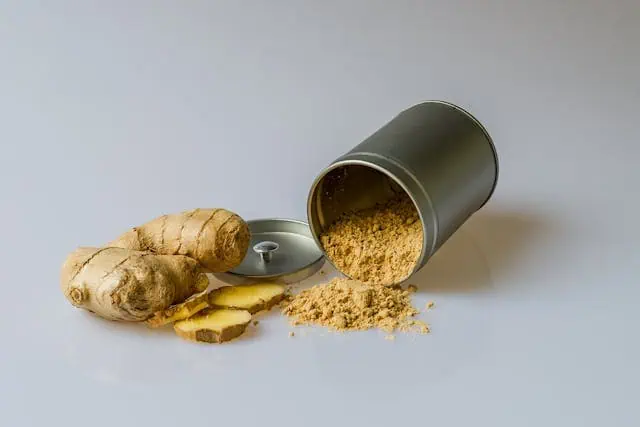
Anti-Inflammatory Compounds
Ginger contains gingerol, a bioactive compound that reduces inflammation and provides antioxidant effects. Chronic inflammation weakens the immune system by diverting resources to long-term repair rather than defense. Regular ginger intake helps shift the balance back to effective immune responses.
Some dismiss ginger tea as a comfort ritual rather than functional nutrition. However, laboratory studies show gingerol reduces pro-inflammatory cytokines, supporting immune resilience at a cellular level. This scientific evidence explains why traditional practices remain relevant today.
Adding ginger to stir-fries, curries, or baked goods provides variety and prevents flavor fatigue. Its adaptability ensures it fits into multiple cuisines, making it easy to consume year-round.
Broccoli
Sulforaphane and Detoxification
Broccoli delivers sulforaphane, a compound that activates detox enzymes. These enzymes help the body process toxins and prevent them from straining the immune system. This makes broccoli more than just a source of fiber and vitamins—it functions at a cellular defense level.
Supplements exist but rarely replicate the complete nutrient profile of broccoli. Whole broccoli combines sulforaphane with fiber, vitamin C, and plant compounds, which work together in ways supplements cannot reproduce. Eating the whole food provides broader immune benefits.
Steaming broccoli for three to five minutes preserves sulforaphane content better than boiling. Cooking method influences nutrient retention, making preparation an important detail in realizing its immune benefits.
Sweet Potatoes

Beta-Carotene Conversion
Sweet potatoes are rich in beta-carotene, which the body converts into vitamin A. Vitamin A maintains healthy mucous membranes in the respiratory tract, the body’s first defense against inhaled pathogens. Without sufficient vitamin A, these barriers weaken, increasing infection risk.
Critics argue that supplementation is more efficient. However, excess vitamin A from supplements can be toxic, while sweet potatoes allow the body to convert only what it needs. This self-regulating process makes food safer than pills for long-term intake.
Roasted sweet potatoes are versatile, pairing well with both savory and sweet dishes. Their accessibility and affordability make them one of the most practical immune-supportive foods for winter.
Almonds
Vitamin E for Cell Protection
Almonds are high in vitamin E, a fat-soluble antioxidant essential for immune cell performance. Vitamin E protects cell membranes from oxidative damage, allowing immune cells to function at full strength. Just a small handful of almonds daily can cover much of the requirement.
Some avoid almonds due to concerns about calorie density. Yet research in The American Journal of Clinical Nutrition shows moderate almond intake supports weight stability, not gain, when part of balanced diets. The combination of healthy fats, fiber, and protein creates satiety that discourages overeating.
Almonds also provide magnesium, which supports over 300 enzymatic reactions, including those related to immune regulation. This makes them a multi-nutrient food rather than a single-nutrient snack.
Pumpkin Seeds

Zinc for Immune Enzymes
Pumpkin seeds are a dense plant source of zinc, required for immune cell development and activation. Zinc deficiency is linked with higher infection rates, particularly respiratory illnesses common in winter. Including pumpkin seeds in salads, granola, or soups ensures steady intake.
Supplements can provide zinc but often cause imbalance if overused, leading to interference with copper absorption. Food sources like pumpkin seeds deliver zinc alongside supporting nutrients, keeping balance intact. This makes them safer and more effective for daily use.
Pumpkin seeds also supply iron and magnesium, nutrients that work together with zinc to support overall metabolic and immune processes. Their wide nutrient profile makes them more valuable than single-mineral capsules.
Salmon
Omega-3 Fatty Acids
Salmon provides omega-3 fatty acids, specifically EPA and DHA, which reduce systemic inflammation. By lowering inflammation, immune cells can focus on acute threats like viruses instead of being constantly diverted to background repair. This efficiency strengthens immune responses during winter.
Concerns about contaminants are valid. Larger predatory fish accumulate more mercury, but salmon, especially wild-caught, tends to have relatively low levels. Choosing responsibly sourced salmon balances safety with nutrition.
Beyond omega-3s, salmon also provides vitamin D, a nutrient many people lack in winter due to reduced sunlight. Vitamin D deficiency is directly linked to weakened immune function, making salmon especially relevant in colder months.
Kefir

Probiotic Diversity
Kefir is a fermented dairy drink that contains a mix of probiotic bacteria and yeasts. This diversity supports gut microbiota, which plays a central role in regulating immune activity. A balanced gut environment reduces the chance of immune overreaction or suppression.
Some believe probiotic supplements offer stronger benefits. While doses may be higher, kefir’s natural strain diversity and presence of proteins and calcium provide added value. Whole foods often have broader, more stable effects than isolated capsules.
Kefir is also more digestible than milk for many with lactose sensitivity, making it an accessible probiotic source. Adding it to smoothies or drinking it plain supports immunity in a simple, consistent way.
Turmeric
Curcumin for Immune Regulation
Turmeric’s curcumin is a polyphenol known for reducing inflammation and modulating immune cell activity. Studies suggest curcumin enhances macrophage activity, improving the body’s ability to recognize and destroy pathogens. This makes turmeric a subtle but steady immune ally.
One limitation is poor absorption. Pairing turmeric with black pepper increases bioavailability by as much as 2000%, making traditional culinary practices not just cultural but scientifically sound. Cooking with turmeric regularly provides cumulative benefits.
Beyond immunity, turmeric supports joint health, which is often stressed during cold months. Its broad protective effects make it a versatile winter addition.
Conclusion
Building a Balanced Winter Diet
No single food guarantees immunity, but these twelve superfoods cover the critical nutrients that matter: vitamin C, vitamin E, zinc, probiotics, omega-3s, and plant antioxidants. Together they strengthen both immediate defenses and long-term resilience. Their roles complement one another, from gut health to barrier protection.
The most effective strategy is consistency. Adding garlic to soups, kefir with berries, or pumpkin seeds on salads creates a layered defense system without relying on extremes. Winter health is not about chasing miracle cures but about steady nutritional habits that reduce vulnerability and speed recovery.
