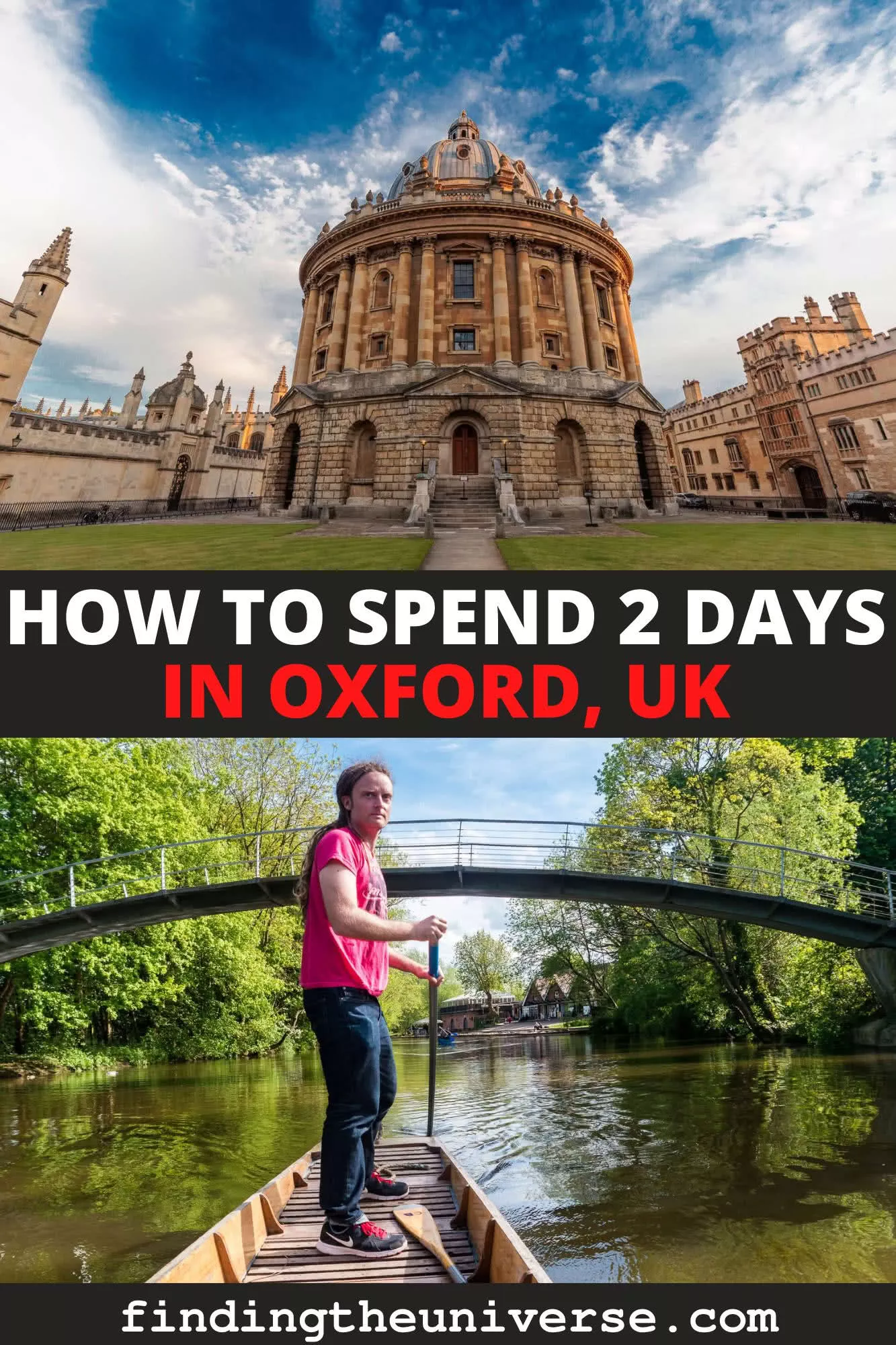
I grew up just outside Oxford, and I spent most of my school-age weekends in the city, visiting friends, wandering the stores, and working out which colleges would actually let you in and which ones quietly turned you away at the lodge. I’ve been back many times since, and I still have friends who live there. I also wrote our guide to spending one day in Oxford, which is where you should start if you only have a few hours. This guide is for the other trip, the one where you stay the night and get the city to yourself before the day-trippers arrive.
Two days changes how Oxford feels. Day-trippers see the colleges at their most crowded, roughly 11am to 4pm, when every coach out of London has emptied onto Broad Street. Stay over and you get the other Oxford: Radcliffe Square at 8am with nobody in it, time for a good Saturday dinner, and a whole second day for Blenheim Palace or a run out into the Cotswolds. Below is exactly how I’d plan the weekend, including where to stay, what to book ahead, and how to use that quiet early morning that staying over buys you.
Quick take: is two days enough for Oxford?
Yes, and two days is the sweet spot. One day is enough for the headline sights, but you’ll feel rushed and you’ll share them with the crowds (if that’s your trip, use our one day in Oxford guide instead). Three days only earns its keep if you want to add more day trips. Two days lets you do the ticketed core on Saturday, sleep in the city, and keep Sunday morning for yourself before spending the afternoon at Blenheim or in the Cotswolds.
The short version:
- Getting there: the fastest trains from London Paddington take about 45 minutes, and you should allow around an hour for a typical service. Book train tickets through Trainline.
- Where to stay: stay central so you can walk everywhere and reach the colleges early. My top pick is the Old Bank Hotel if the budget stretches, and the Royal Oxford Hotel for value. Full list further down.
- The plan: Saturday for Christ Church, punting and a tower climb, then dinner and a pub. Sunday for the empty-morning city, then Blenheim Palace or the Cotswolds.
- Book ahead: a Christ Church timed ticket, a Saturday dinner table, and Blenheim entry if you’re going on a busy weekend.
Getting to Oxford
The train is generally how I get to Oxford and the option I would normally recommend. From London Paddington, the fastest direct services reach Oxford in about 45 minutes, with a typical journey closer to an hour. They run roughly every 15 minutes on weekdays and call at Slough and Reading on the way.
There’s a second route from London Marylebone with Chiltern Railways, which takes about an hour and ten minutes and is handy if Marylebone is the easier station for you. I’d treat Paddington as the default and Marylebone as the backup. You can book through Trainline or direct with the train operator on National Rail, whichever you prefer.
One caveat worth knowing before you travel: Sunday timetables are thinner, and the Western mainline out of Paddington gets weekend engineering works fairly often, which can mean a rail replacement bus for part of the trip. Check your specific train the day before, especially for a Sunday return.
The budget alternative is the Oxford Tube coach, which runs from central London around the clock, as often as every 12 minutes, with WiFi and USB charging. It’s cheaper than the train, but it’s slower: budget roughly an hour and three quarters to two hours each way depending on traffic. I’d take it if you’re watching the pennies or travelling at an odd hour, and the train otherwise.
If you’re driving, don’t try to park in the centre. Oxford has five Park and Ride sites on the ring road where you leave the car cheaply and bus in within 15 minutes or so. Driving makes most sense only if you’re planning the Cotswolds option on day two, in which case you’ll want the car anyway.
Where to stay in Oxford for a weekend
This is the decision that makes or breaks an Oxford weekend. Stay central. The whole reason to spend the night rather than day-trip is that you can walk out of your hotel at 8am and have Radcliffe Square to yourself before the first coach arrives. A cheaper room out by the ring road throws that advantage away, because you’ll be busing in at the same time as everyone else. For two nights, pay for the location.
Ideally you want to be inside the ring of colleges, roughly between the train station and Magdalen Bridge. Everything below sits in that zone.
At the top end, the Old Bank Hotel on the High Street is the one I’d book if money were no object. It’s a five-star in a former bank building, steps from Merton, Oriel and the Botanic Garden, with a good restaurant downstairs and rooms looking out over the colleges. The other landmark choice is The Randolph (now a Graduate by Hilton), the grand Victorian hotel opposite the Ashmolean, which has a spa and the most recognisable frontage in the city.
In the middle, Malmaison Oxford is the most characterful room in town: it’s set inside Oxford’s former prison in the castle quarter, and yes, you sleep in a converted cell, which is a better night than it sounds. I’ve stayed here and it’s fun.
For something smaller and quieter, Vanbrugh House Hotel is an 18th-century townhouse on a calm central side street, with only a couple of dozen rooms and no parking, so come by train.
For value, the Royal Oxford Hotel sits right by the station, a ten-minute walk from the colleges, which makes for a painless arrival and departure by train. If you want the most predictable budget option, the Premier Inn Oxford City Centre (Westgate) is exactly what you’d expect, next to the Westgate shopping centre and best booked direct.
Here’s how they compare. Rates are rough Saturday-night ballparks for a standard double, because Oxford prices vary wildly by date and Saturday is the most expensive night of the week, so book early and check live prices before you commit.
| Hotel | Style | Indicative Saturday rate | Choose it if |
|---|---|---|---|
| Old Bank Hotel | Five-star on the High Street | from around £300 | You want the best location in Oxford and can pay for it |
| The Randolph | Landmark five-star opposite the Ashmolean | from around £250 | You want the grand Oxford hotel with a spa |
| Malmaison Oxford | Boutique four-star in the old prison | from around £180 | You want somewhere characterful and central |
| Vanbrugh House Hotel | Small townhouse hotel, quiet lane | from around £150 | You want boutique without the five-star bill |
| Royal Oxford Hotel | Three-star by the station | from around £120 | You want value and an easy train arrival |
| Premier Inn (Westgate) | Reliable chain by the Westgate centre | from around £90 | You want a dependable budget room |
One more practical note if you’re driving and staying central: most of these hotels have little or no parking of their own, so factor in a central car park such as the Westgate or Worcester Street, or use Park and Ride and leave the car out of town until the Cotswolds run on day two.
Day one: Oxford’s ticketed core, then the evening
Day one is for the things you have to queue or pay for, while you’ve got the energy and the opening hours on your side. I’d treat the day as a loose envelope from mid-morning to late evening rather than a minute-by-minute timetable, because Oxford is small and walkable and half the pleasure is drifting between colleges. Here’s the order I’d do it in.
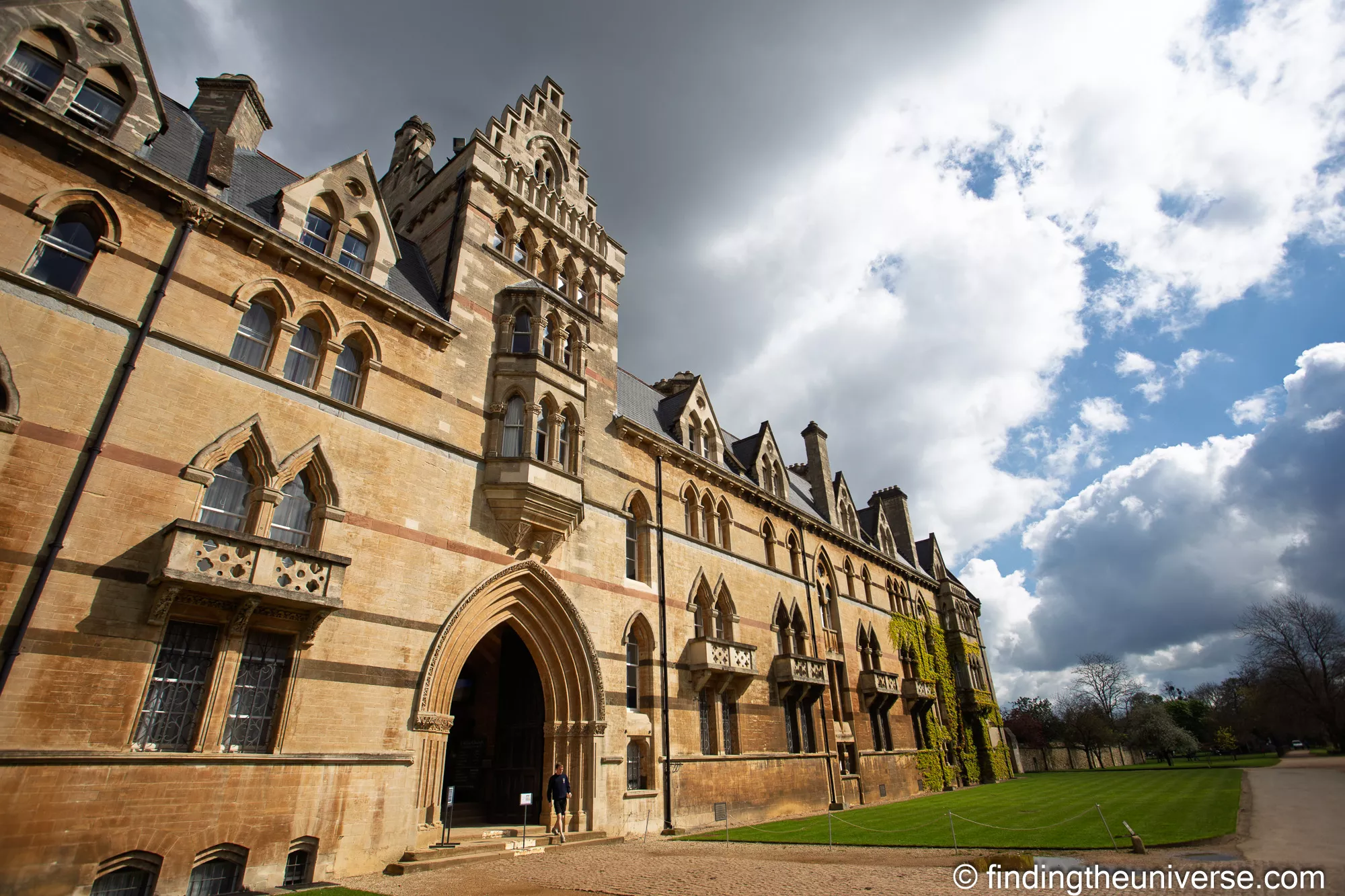
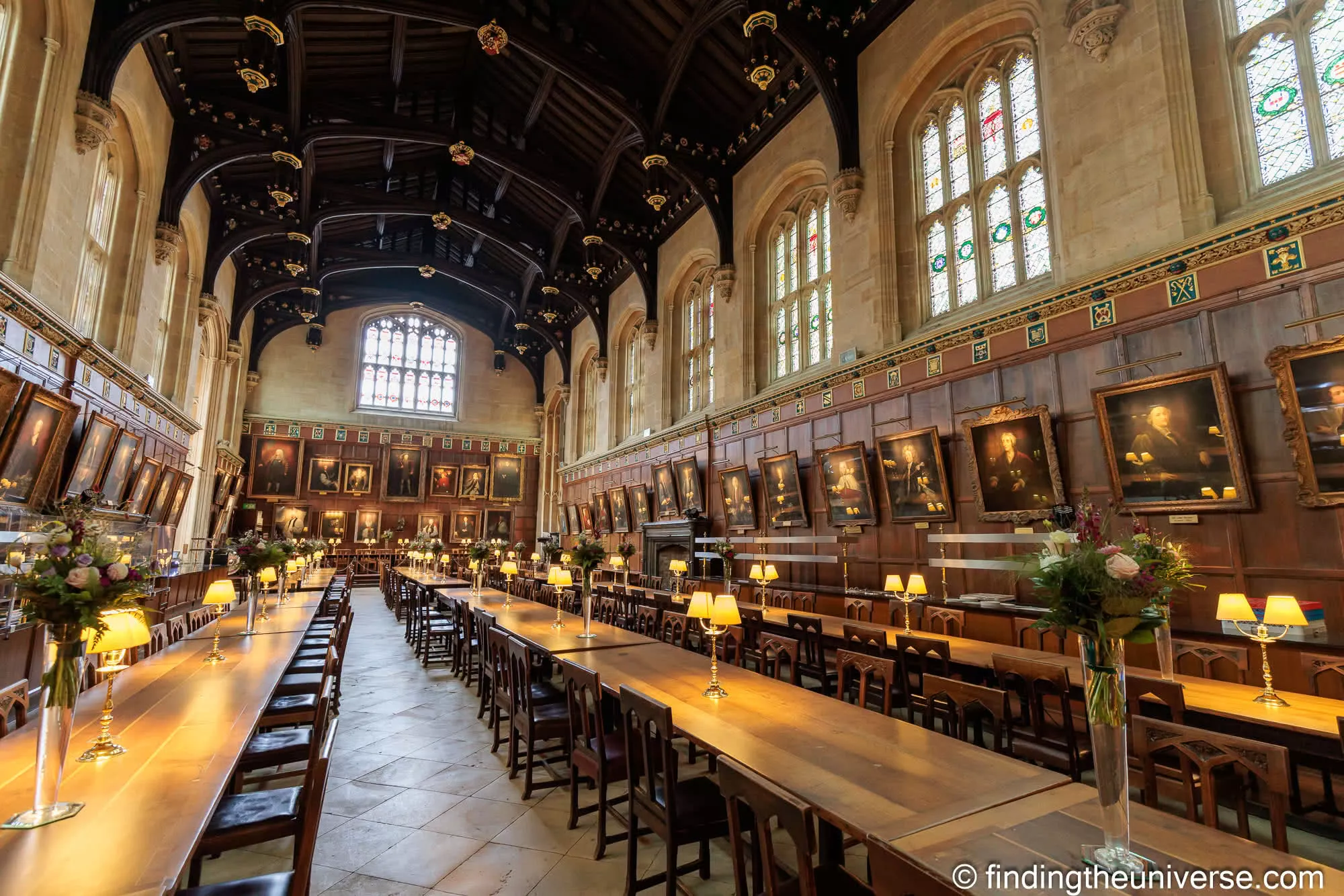
Start with a coffee and a wander through the Covered Market, which has been trading since the 18th century and is a good place to get your bearings before the day gets going. From there it’s a short walk to Christ Church, the grandest of the colleges and the one most people want to see, partly because its Great Hall was the model for the Hogwarts dining hall.
Entry is by timed, pre-booked ticket and costs around £23 for an adult, with a small saving for booking online, and tickets are released each Friday. Two things to plan around: the Great Hall closes to visitors in the middle of the day, usually about midday to 2pm, when the students eat, and the college shuts to visitors entirely on event and graduation days. Check the college’s known-closures page before you build your day around it.
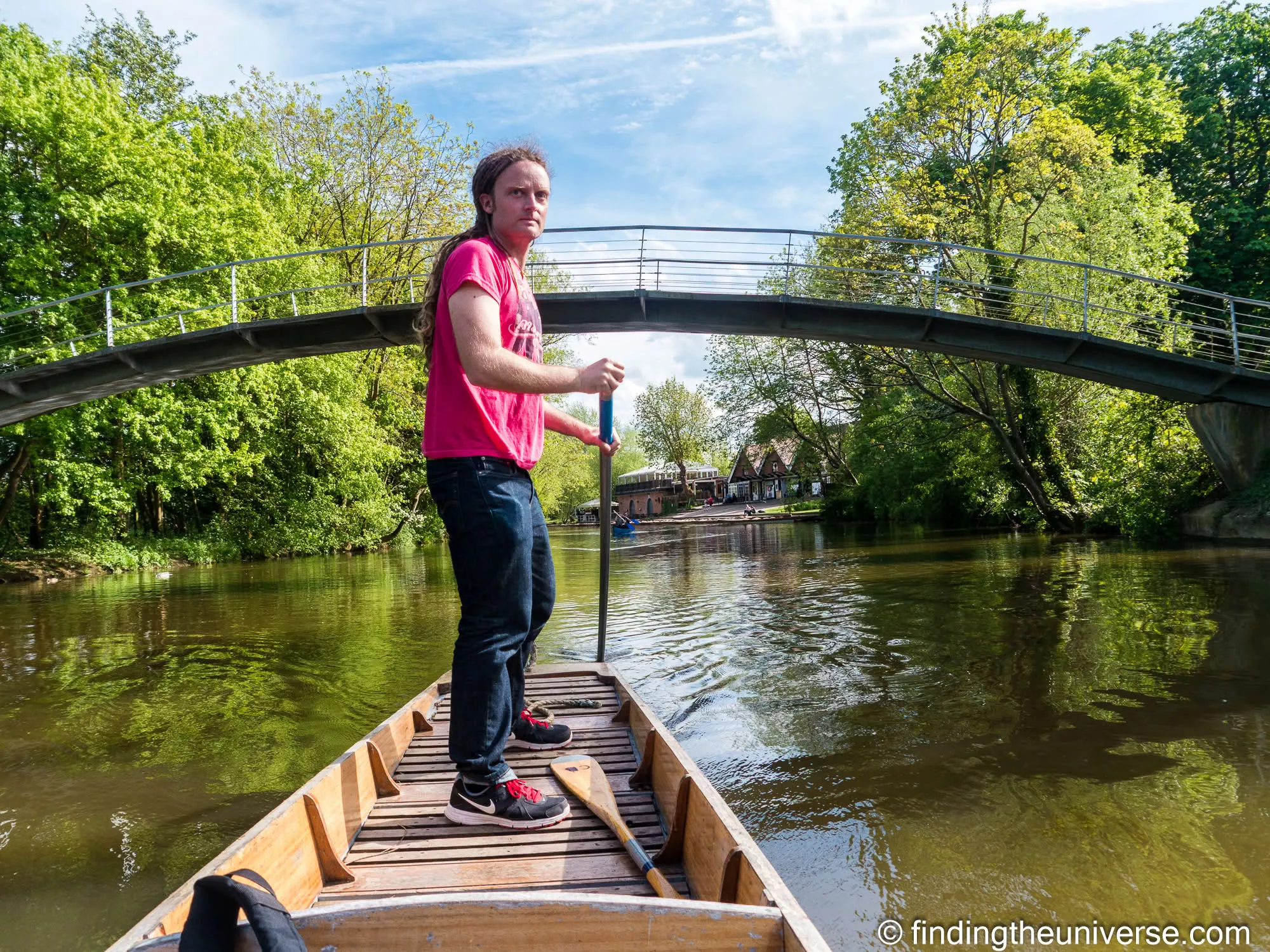
After lunch, which can be a pub or something from the Covered Market, do something on the water. Punting from the Magdalen Bridge Boathouse is the classic Oxford afternoon, and if you don’t fancy doing the pole-work yourself you can take a chauffeured punt, which runs about £50 for 30 minutes for up to four people.
The season runs from February to November, weather permitting, so it’s an option for most of the year but not deep winter. You can book a punting trip on the Cherwell ahead if you want to lock in a slot on a busy weekend.
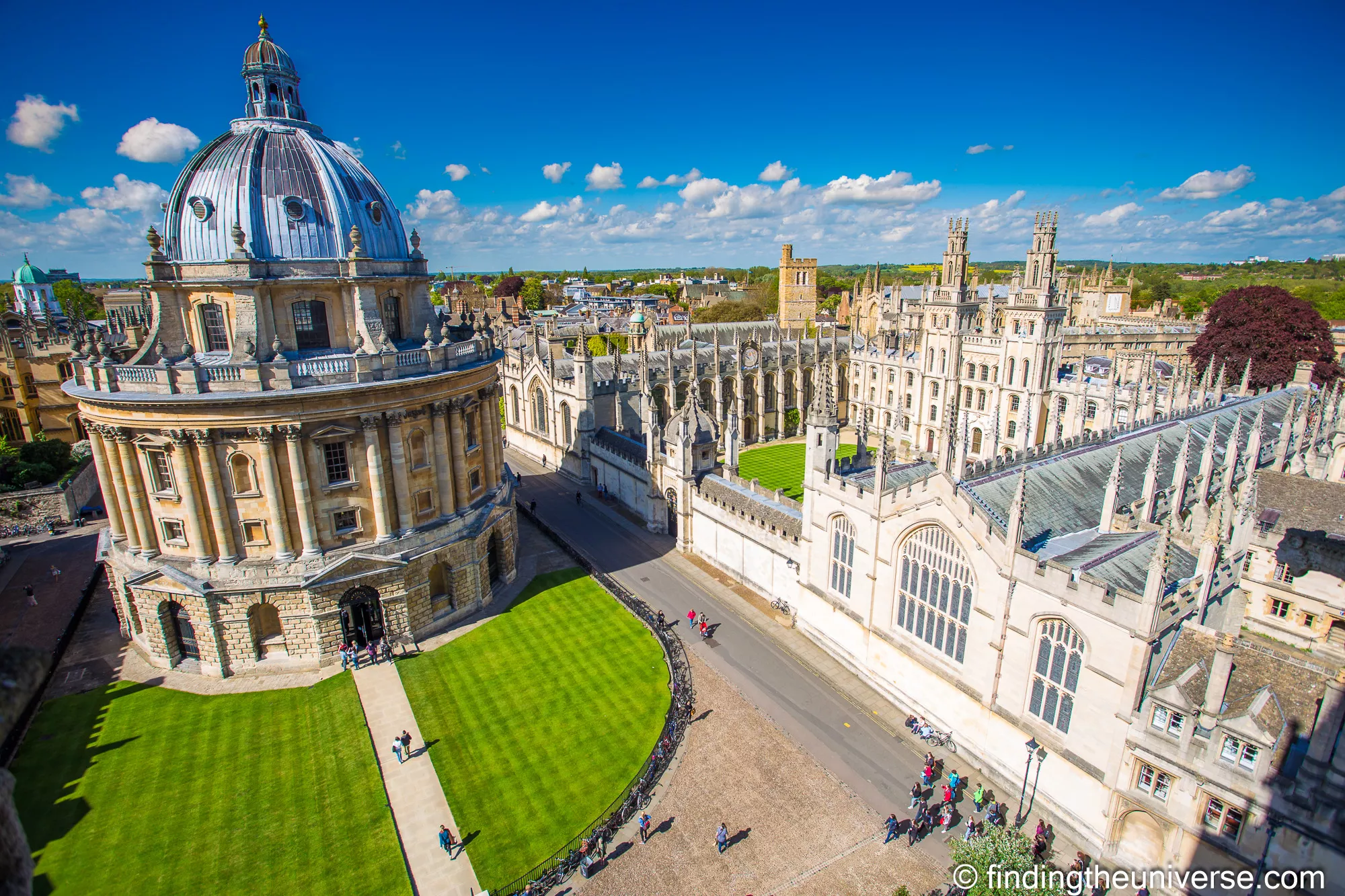
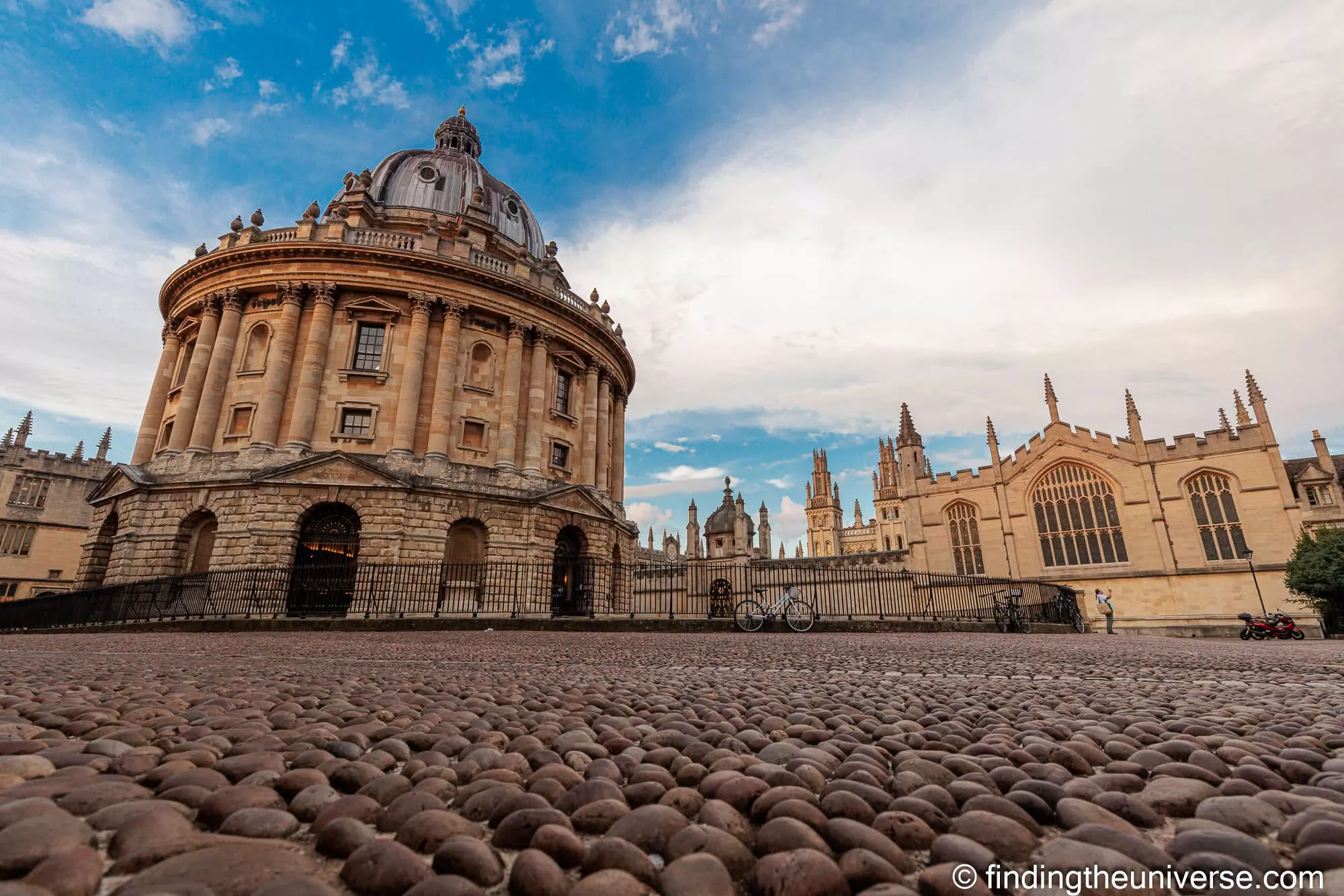
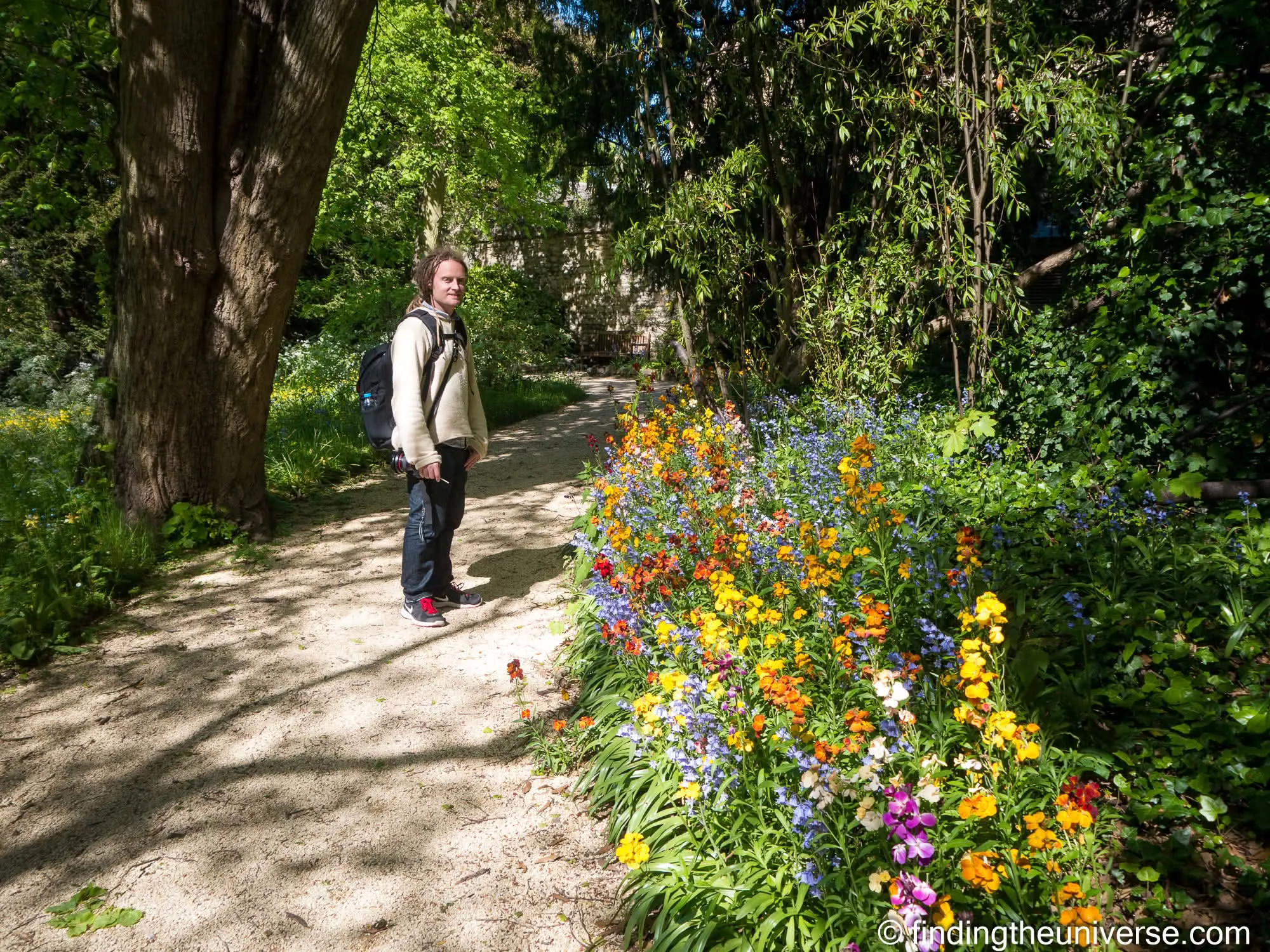
From the boathouse you’re right by the Botanic Garden, the oldest botanic garden in Britain, which costs about £9 to enter and is a quiet half-hour or so next to Magdalen College’s frontage. Then, to end the daylight on a high, climb the tower of the University Church of St Mary the Virgin. It’s 127 steps and £7, and the view from the top, straight down onto the dome of the Radcliffe Camera with the colleges fanned out around it, is the best paid view in the city. Last admission is usually mid to late afternoon, a little later in high summer, so don’t leave it too late.
If you’d rather have the history narrated, the official university and city walking tour is run by Oxford’s own guides and takes you through the lanes and past the colleges with the stories that make sense of what you’re looking at. We’ve done it, and can highly recommend it.
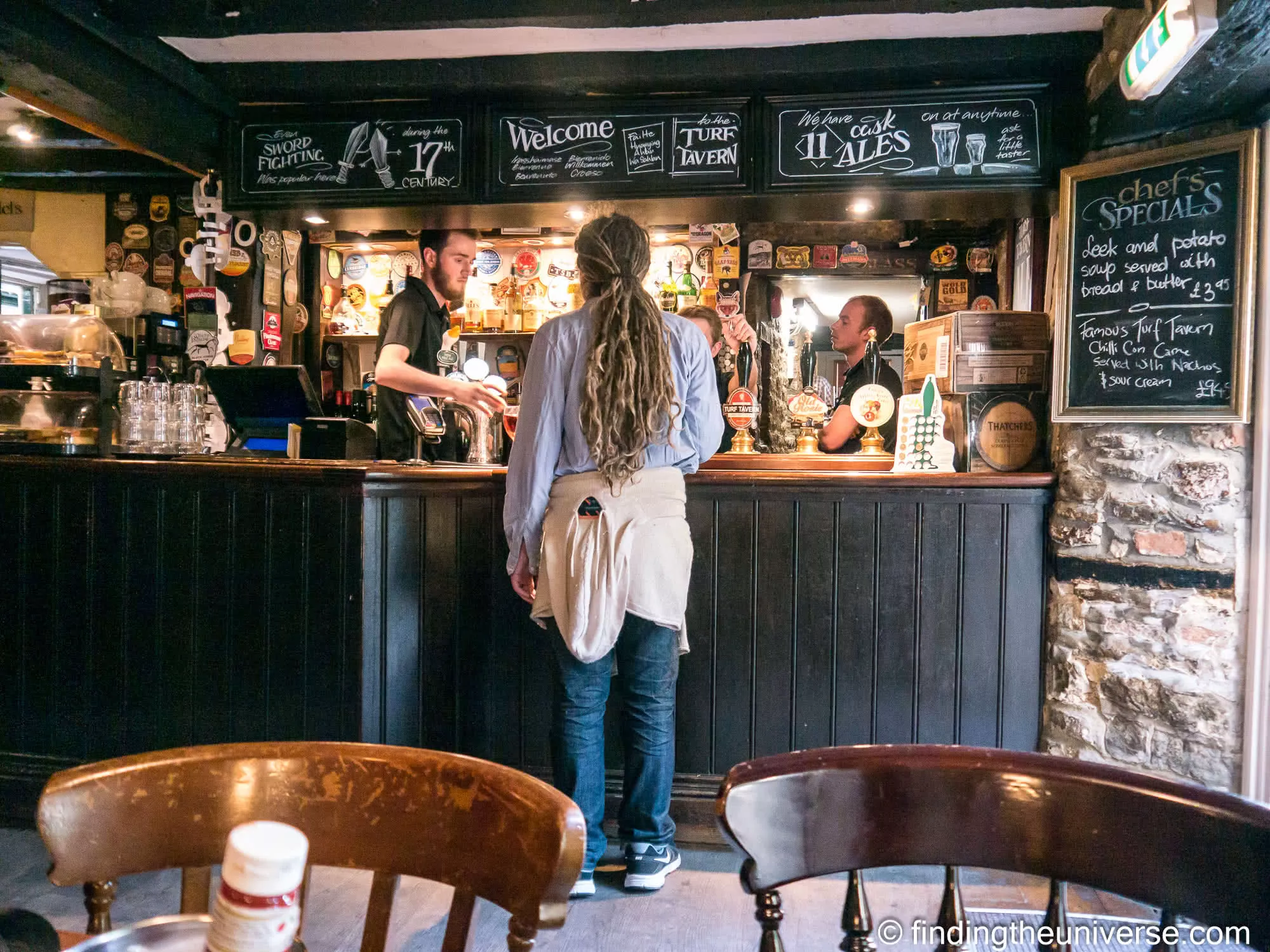
For the evening, book a table. Oxford’s better restaurants fill up on a Saturday night and turning up on spec is how you end up eating a disappointing pizza. After dinner, the pub to find is the Turf Tavern, tucked down the alleys off Holywell Street and reached through a couple of narrow passages that feel like a secret even though it’s one of the most famous pubs in England. It claims to date back to 1381, the ceilings are low, and on a warm night the courtyards are the place to be. From there, the Jericho neighbourhood, a short walk north, is where to go for a few more drinks in a less touristed part of town.
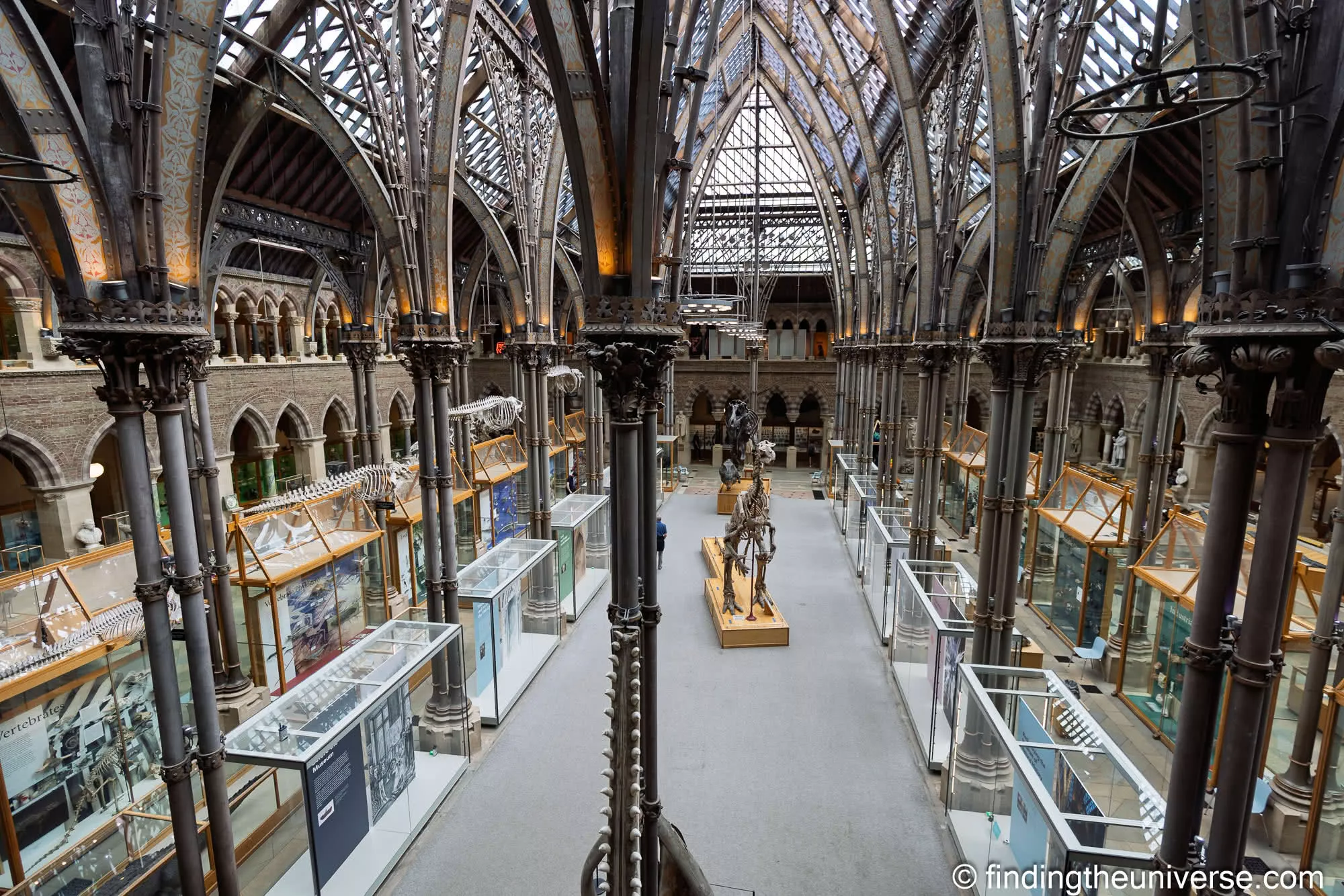
Wet weather or winter swap: if the punting season is closed or the rain has set in, trade the boat and the garden for Oxford’s free museums. The Ashmolean is Britain’s oldest public museum and is free to enter, as are the Pitt Rivers and the Oxford University Museum of Natural History, which share a building and are a brilliant rainy afternoon, especially with kids.
Day two: the empty-morning city, then a half-day out
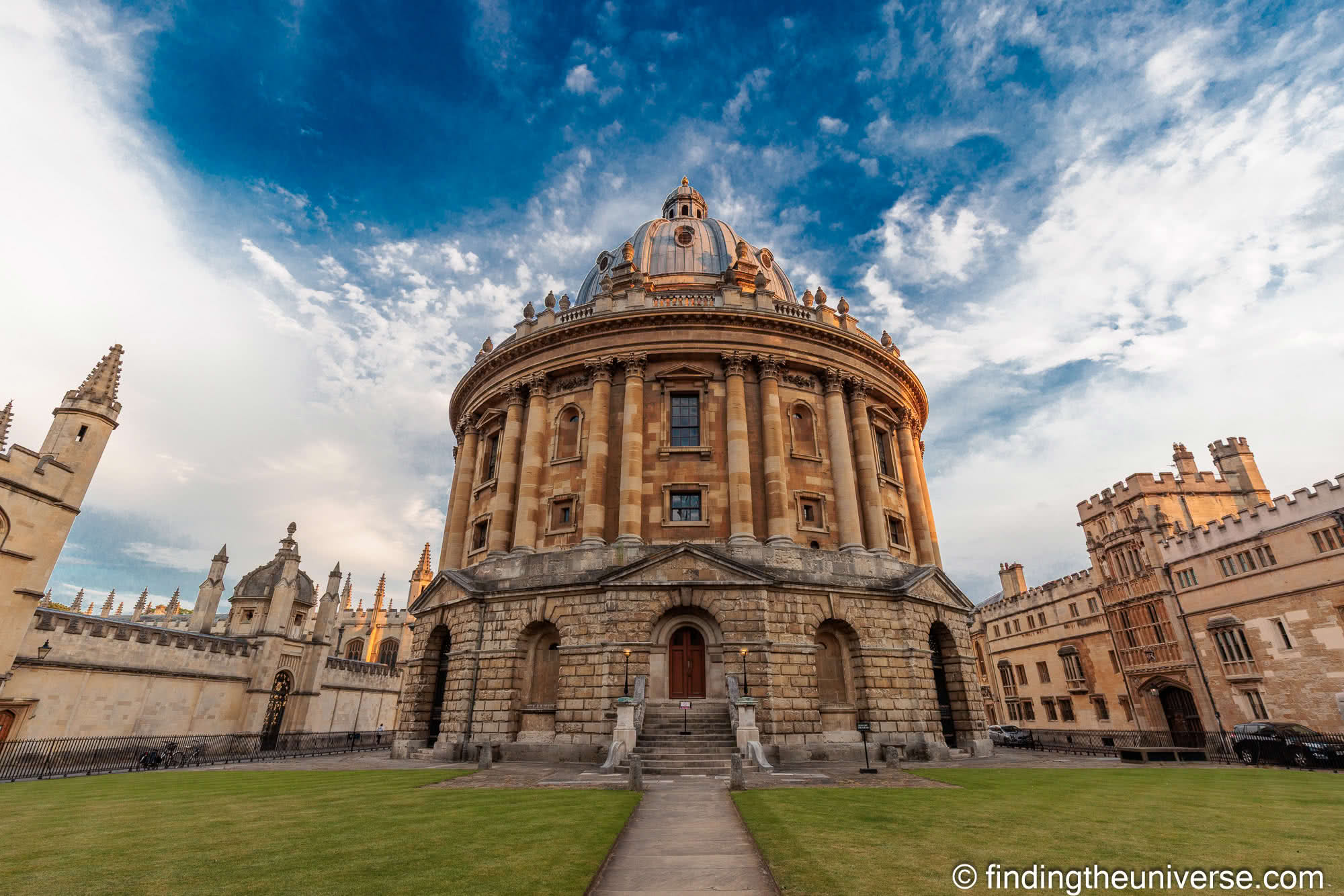
This is the morning that justifies staying over, so set an alarm. Be out by about 8am and walk straight to Radcliffe Square. With the day-trippers still on their coaches, you’ll have the Radcliffe Camera, the Bodleian quad and the Bridge of Sighs more or less to yourself, and the low morning light on the stone is the photographer’s window I always tell people about.
Loop through the lanes around Brasenose and Hertford, take your photos, and grab breakfast before the city wakes up properly. It costs nothing and it’s the single best thing two days in Oxford gives you that one day can’t.
Once you’ve checked out and left your bags with the hotel, you’ve got a choice to make for the afternoon. For a first visit I’d point you straight at Blenheim Palace. If you’ve been to Oxford before and have a car, do the Cotswolds instead, and if it’s winter or you’re watching the budget, keep day two in the city. Here’s each option in more detail, with a table at the end to help you choose.
Blenheim Palace is the default, and the one I’d send most first-timers to. It’s a UNESCO World Heritage Site about eight miles northwest of Oxford, the birthplace of Winston Churchill, and the grounds were landscaped by Capability Brown, so even if grand interiors aren’t your thing the park alone is worth the trip. An adult day ticket covering the Palace, park and gardens is £31.
Getting there without a car is easy: the Stagecoach S3 and S7 buses run from the city centre to Woodstock several times an hour, seven days a week, taking around 30 to 40 minutes, and it’s a ten-minute walk through the park to the Palace from the stop. By car it’s about 20 minutes up the A44. You can book Blenheim admission ahead, which is worth doing on a busy summer weekend. The Palace itself opens late morning with last entry in the mid-afternoon, so go straight after breakfast to get a full visit before your train home.
The Cotswolds edge is what I’d do on a second visit, or if you simply prefer villages to stately homes. We’ve spent days working our way around pretty much all the famous Cotswold villages, and the closest cluster sits just beyond Blenheim.
Woodstock, the town at Blenheim’s gate, is worth a wander in its own right; Bladon, the next village, is where Churchill is buried in a quiet churchyard that gets a fraction of the Palace’s crowds; and a little further out, Burford and Bourton-on-the-Water are the honey-coloured stone villages most people picture when they think of the Cotswolds.
You’ll want a car for this, and you can compare car hire on Discover Cars. If the Cotswolds tempt you into a longer stay, that’s its own trip, and we’ve covered it separately.

Deeper into Oxford is the third option, and the one I’d choose if you don’t want to leave the city, don’t have a car, or it’s the middle of winter. Spend the morning in the Ashmolean, then walk out to Port Meadow, the ancient common by the river where Oxford locals go to swim, picnic and watch the sunset. Both are free. If you skipped the official walking tour on day one, this is also a good morning to fit it in. It’s a side of the city the coach crowds never see.
Here’s how I’d choose:
| Your weekend | Best day two | Why |
|---|---|---|
| First time in Oxford | Blenheim Palace | The big half-day out, and easy to reach by bus or car |
| Travelling without a car | Blenheim by the S3/S7 bus, or deeper Oxford | Both work with no driving at all |
| Been to Blenheim already | The Cotswolds by car | Woodstock, Bladon and Burford are 20 to 40 minutes away |
| A winter weekend | The Cotswolds or deeper Oxford | Short daylight makes a full Blenheim day tight |
| Travelling with kids | Blenheim park and playground | Huge grounds, an adventure playground and room to run |
The best time for a weekend in Oxford
Oxford is a year-round weekend, but the season changes how you spend your second day. The variable that matters most is daylight. In midsummer the sun is up by about 4.45am and doesn’t set until around 9.25pm, which gives you a long evening and makes that 8am college walk effortless. In midwinter the sun doesn’t rise until about 8am and it’s effectively dark by 4pm, so you lose the afternoon fast.
That’s why I’d save Blenheim for spring through autumn. The Palace does open year-round, but winter hours are shorter and a half-day out there in December means racing the daylight. In winter I’d keep day two in or near the city, with the Cotswolds by car or a deeper Oxford day, both of which work fine in the cold. Whenever you visit, check Blenheim’s opening calendar before you commit your second day to it.
One more timing point that catches people out: during the university’s exam season, roughly May and June, and on graduation and event days throughout the year, individual colleges close to visitors at short notice. It doesn’t ruin a trip, because there’s always another college open, but if there’s one specific college you’ve come to see, check its visiting page before you build the day around it.
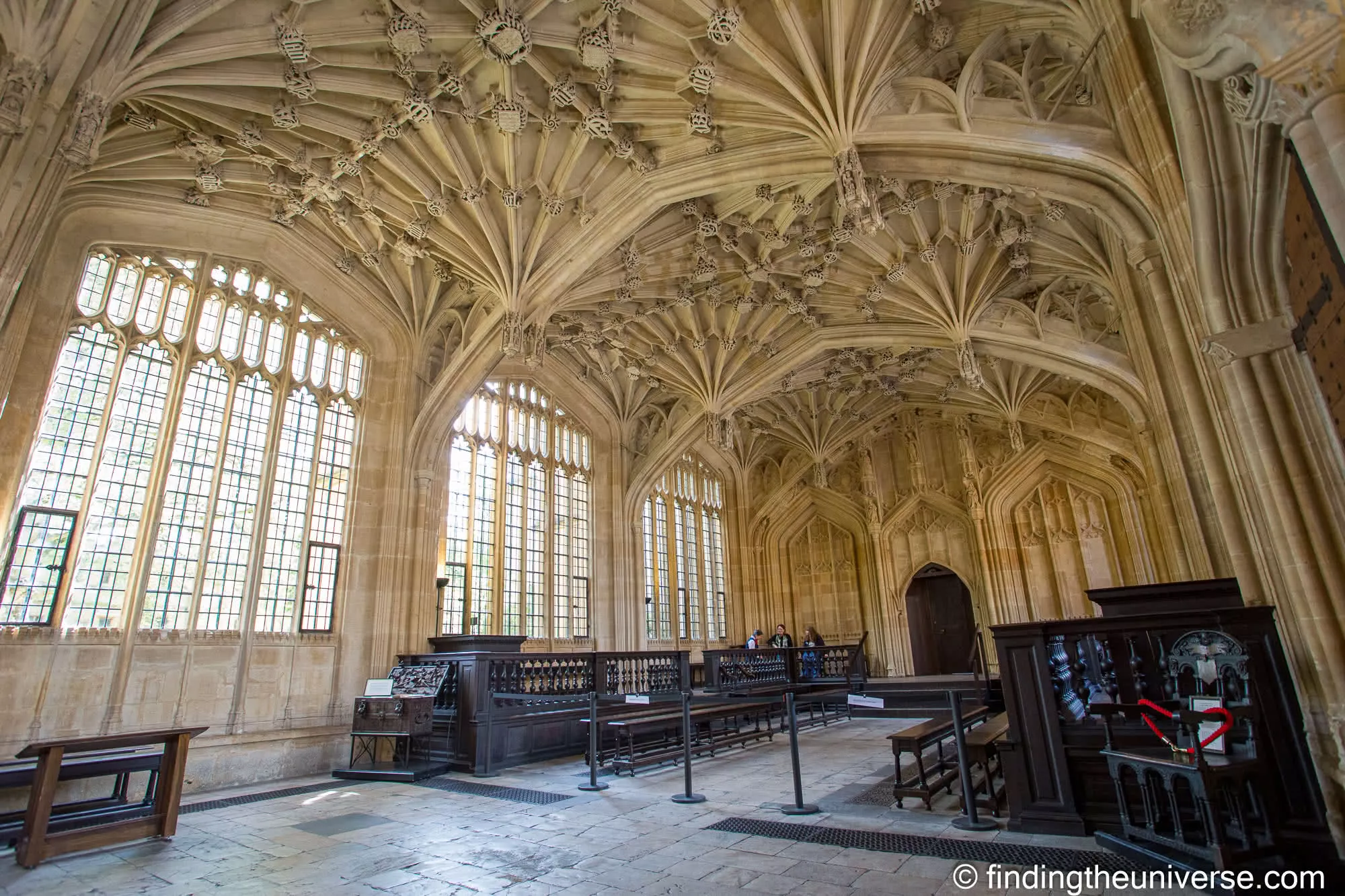
What we’ve learned about an Oxford weekend
A few things I’d tell a friend before they went, most of them learned the hard way over years of weekends here.
Arrive on Friday evening if you possibly can, or at the very least get an early Saturday train. Roll in at Saturday lunchtime and you walk straight into the worst of the day-tripper crowds with half your sightseeing day already gone. The early arrival is what unlocks the whole itinerary.
Book your Saturday dinner before you arrive. I can’t stress this enough; the good places go, and a weekend in Oxford is too nice to spend hungry and cross looking for a table.
Don’t pin your whole trip on one college. Christ Church in particular shuts to visitors on event days, and colleges generally restrict access during exams. Have a second choice in mind and you’ll never be disappointed.
And do the early morning. Everyone reads the part about Radcliffe Square at 8am and then has a lie-in instead. The people who actually set the alarm are the ones who come home with the photos and the memory of an Oxford almost nobody else gets to see.
Map of this Oxford weekend
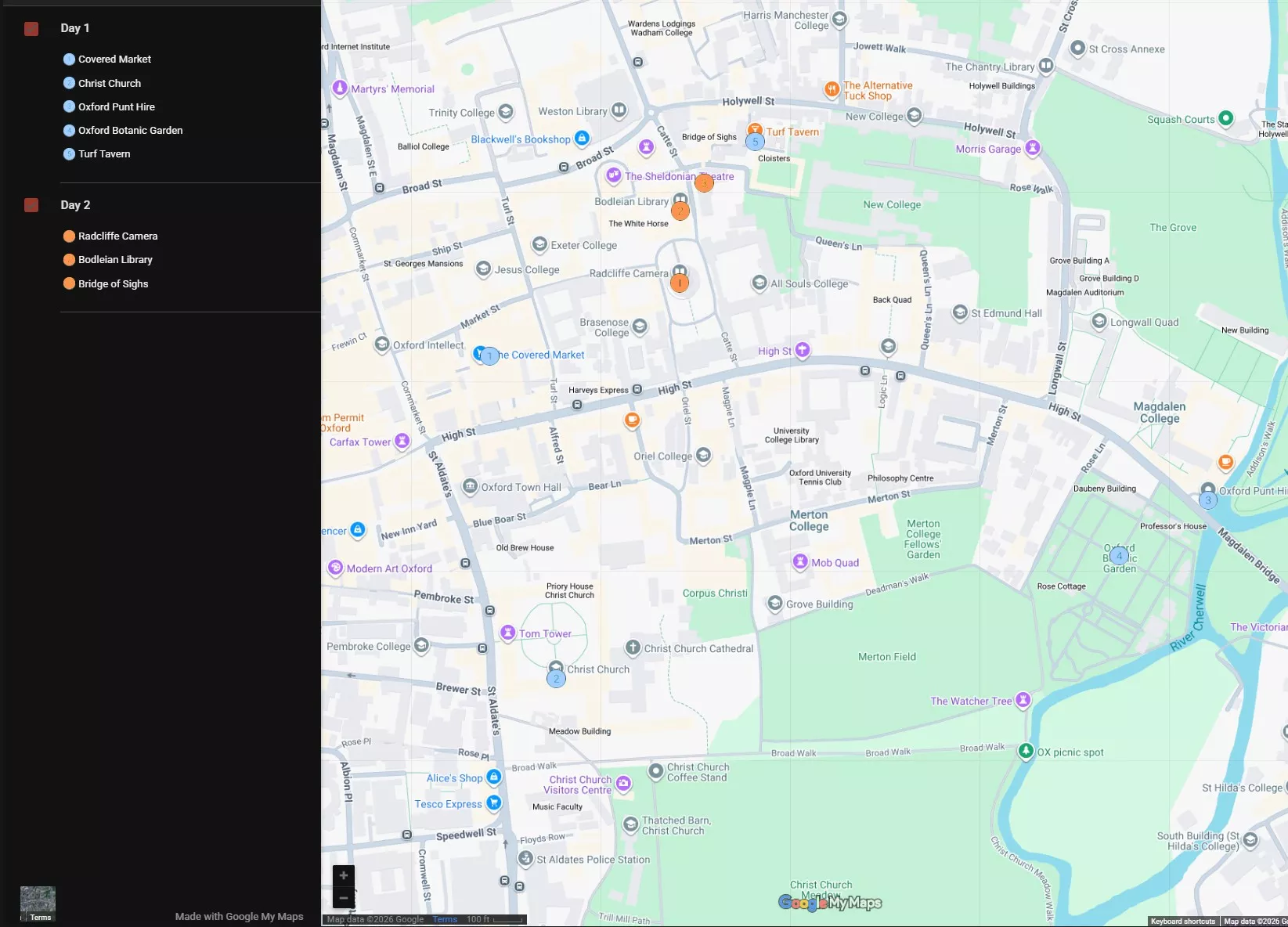
The map above shows the day-one walking route through the centre so you can see how compact the city core really is. See the full map on Google maps here.
Planning resources for Oxford
If you like to read up before a trip, the Rick Steves England guidebook has a solid Oxford chapter and is the one I’d pack if I were covering more of the country on the same trip. For getting around, Trainline is the simplest way to sort your train tickets, and Oxford’s Park and Ride pages are worth a look if you’re driving in.
Oxford weekend FAQ
Is two days enough for Oxford?
Yes, two days is the ideal length for Oxford. One day covers the main sights but feels rushed, and you’ll see everything at its most crowded. Two days lets you visit the ticketed colleges and go punting on the Saturday, sleep in the city, and use Sunday for the quiet early-morning streets plus a half-day at Blenheim Palace or in the Cotswolds.
Three days is only worth it if you want to add further day trips, such as a full Cotswolds loop or a second stately home.
Oxford or Cambridge for a weekend?
For a first weekend, I’d choose Oxford, and I’ll admit some home bias having grown up nearby. It edges Cambridge for a short break mainly because of what’s on its doorstep: Blenheim Palace and the Cotswolds give you a strong second day that Cambridge can’t quite match, and the fast train from Paddington makes it simple to reach.
Cambridge is the prettier place to punt yourself, with the colleges lined along the river, so if punting is the thing you most want to do, it has the edge there. Both are a great weekend break, and you won’t pick wrong. If you’ve got two weekends, do both, and our guide to Cambridge will help with the other one.
Where should I stay in Oxford for a weekend?
Stay central, inside the ring of colleges between the train station and Magdalen Bridge. Staying in the centre is the whole point of an overnight trip, because it lets you reach the colleges early before the crowds and walk everywhere without a bus.
For a treat, the Old Bank Hotel on the High Street has the best location in the city. The Royal Oxford Hotel by the station is the reliable value pick, and Malmaison, set in Oxford’s former prison, is the most characterful mid-range room.
Is Oxford worth visiting in winter?
Oxford is well worth a winter weekend, with smaller crowds and the colleges and museums all open. The catch is daylight: the sun is gone by about 4pm in December, so plan a city-focused trip rather than a long afternoon out.
In winter I’d keep day two in or close to the city, with the free museums, the Covered Market and a walk out to Port Meadow, and save Blenheim Palace and the Cotswolds for the longer days of spring through autumn.
How do I see the Oxford colleges before the crowds?
Stay overnight in the city centre and be out walking by about 8am. The day-tripper coaches from London don’t arrive until mid to late morning, so the early window gives you Radcliffe Square, the Bodleian and the Bridge of Sighs almost empty, with the best light of the day for photos.
It’s the main advantage a weekend has over a day trip, and it costs nothing beyond setting an alarm.
How do I get to Oxford from London?
The fastest way is the train from London Paddington, which takes about 45 minutes on the quickest direct services and around an hour typically, running roughly every 15 minutes on weekdays. There’s also a slower route from Marylebone with Chiltern Railways, at about an hour and ten minutes.
The cheaper option is the Oxford Tube coach, which runs around the clock from central London and takes roughly an hour and three quarters to two hours. Check your train the day before a Sunday return, as weekend engineering works on the Paddington line are common.
Further reading